


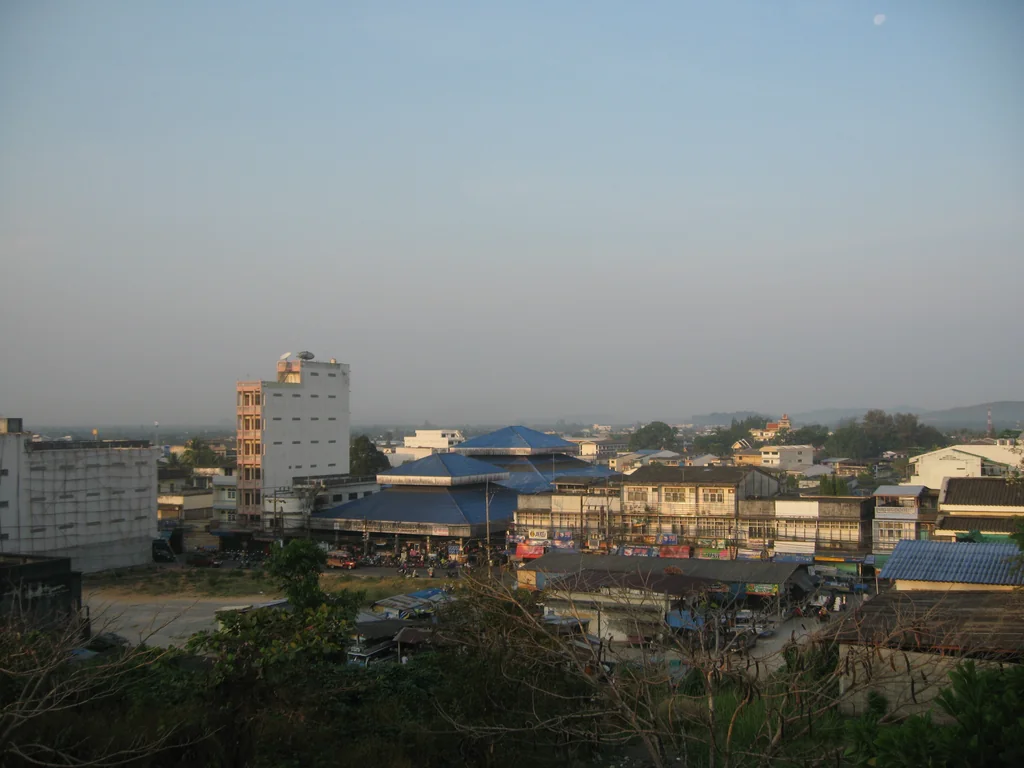
Ranong is easiest to understand one meal at a time. Start with dim sum, browse the market and old town, then leave seafood for later in the day when you can ask what is fresh and available.
This is not a ranked restaurant list. Menus, opening times and even the day’s catch change. Use the guide to decide what to look for, then confirm the details with the venue before making a special journey.
Begin with dim sum and a slow breakfast
Official tourism listings include dim sum restaurants in Ranong, which makes it a practical place to start the food day. Go early enough to have a choice, but do not rely on a universal breakfast schedule. Each shop sets its own hours and may sell out of popular items.
At a traditional dim sum counter, you may choose small baskets and plates before they are steamed or served. Ask the staff how ordering works rather than assuming every dish on display is ready. A table of two can try more variety without ordering a full portion of each item.
Look beyond the familiar dumplings. Local menus may include buns, fried items, noodles, eggs, tea and coffee. The useful question is not "What is the most famous dish?" Ask what the shop makes well that morning and whether any item contains shellfish, pork or another ingredient you avoid.
Visit Ranong’s market with curiosity, not a checklist
A market visit gives context to the next meal. Ranong’s Andaman location and links with fishing shape the seafood on sale, while fruit, snacks, dried goods and pantry ingredients show another side of the province.
Walk through once before buying. Notice which stalls are busy with local customers and which foods are prepared to eat immediately. If a seller cannot explain an unfamiliar item in English, pointing, simple Thai phrases and a translation app can get you most of the way.
Buy small portions at first. Tropical fruit, fried snacks and sweets are easier to enjoy when you are not carrying a full lunch through the heat. Bring cash in small notes and ask before photographing a person or stall.
The market and older town blocks also help explain why food in Ranong does not fit one label. Provincial cultural material describes Chinese and Malay influence in the area. That history sits alongside southern Thai cooking and ingredients from the coast and Kraburi area.
What to look for in local dishes
Tourism and provincial sources point to a mix of seafood, Hokkien-influenced dishes and local preparations. You may see noodles, soups, fried rolls, shrimp paste, cashews and seafood cooked with the sharp, salty and aromatic flavours common in southern Thailand.
One Ranong-specific lead is river-prawn tom yum associated with Kraburi. The provincial public-relations office describes prawns from the Kraburi river area used with lemongrass, galangal, makrut lime leaves, chilli and lime. Availability will depend on the restaurant and current supply, so ask before ordering rather than expecting it everywhere.
If you have allergies, do not depend on the appearance of a dish. Shrimp paste, fish sauce, shellfish stock and peanuts may be present even when they are not obvious. Carry a translated allergy card and confirm each order with staff.
Plan seafood for later in the day
Seafood is better approached as a conversation than a fixed online order. Ask what arrived that day, how it is priced and whether the price is by portion or weight. Confirm the cooking style and total before ordering a large fish, crab or prawn dish.
A simple meal might combine one steamed or grilled item with a soup or stir-fried vegetable. This gives the seafood room without turning dinner into an oversized tasting exercise. If you are travelling alone, ask whether half portions are possible.
Freshness claims are difficult to judge from a menu, and "local" does not always mean caught that morning. A clear answer about the day’s options is more useful than a promotional slogan.
Make room for an old-town cafe
The approved topic calls them vintage cafes, but the useful appeal is less about a label and more about the setting. Older shopfronts, simple coffee shops and newer cafes in adapted buildings can break up a humid or rainy afternoon.
Choose a cafe that fits the route instead of crossing town for a photograph. Check the menu, current hours and seating before going. Some places focus on traditional coffee and tea, while others serve modern espresso, desserts or light meals. The distinction matters if you are looking for a quiet pause rather than another full meal.
During wet weather, keep the cafe stop flexible. The Ranong green-season guide has practical advice for rearranging outdoor plans around rain.
A one-day Ranong food route
Start with dim sum and tea or coffee. Spend the late morning around the market and nearby streets, buying only a few snacks. Take a cafe break during the hottest or wettest part of the day, then have seafood for dinner after checking what is available.
This order is not a rule. If a trusted local recommendation points you to a lunch-only dish, rearrange the day. The aim is to avoid eating three large meals back to back simply because an itinerary says so.
Staying in town makes the food day easier
A Ranong town base lets you spread meals out and return for a break. The official Blu Monkey Hub & Hotel Ranong facilities page lists a 24-hour Monkey Desk, Monkey Hub workspace, coin-operated laundry and the Barnana Zone with complimentary snacks and drinks for guests. Confirm current service details during your stay.
Use the hotel facilities page for current property information. For restaurant and cafe suggestions, ask the team what is open now and describe the kind of meal you want. A current local answer is more useful than chasing a venue from an undated list.
Eat with enough space to notice the place
Ranong’s food day works best when you stop counting dishes. Try a few things, ask questions and leave room for whatever the market or restaurant has that day.
Before a special trip, confirm the venue’s opening time and menu directly. Then start with breakfast and let the rest of the route follow your appetite.