


Getting to Ranong is easier once you split the journey into two parts: reaching the province, then arranging the local transfer to town, your hotel or the passenger pier. Confirm each leg close to travel day because flight, bus and boat services can change.
The most common planning mistake is treating "Ranong" as one arrival point. The airport, a bus or van drop-off, Ranong town and the passenger pier are separate places. A ticket to one does not include the next connection unless the operator says so.
Choose the arrival route that fits the rest of your trip
A flight can shorten the long-distance journey, but it still leaves a ground transfer after landing. Check the operating airline, flight time, baggage allowance and arrival details directly before booking anything that depends on the flight.
A bus or van may suit travellers coming from another city or travelling with a more flexible schedule. Operators can use different stops, so ask for the exact drop-off name and a map pin. "Ranong terminal" is not precise enough when a driver or hotel pickup needs to find you.
Driving gives you more control over local stops, but it also means planning for rain, road conditions, fuel and parking. If you are not comfortable driving in wet weather, a local driver may be the calmer option.
Build the route around four transport points
Write down the exact point for each part of the trip before paying for a tight connection:
- Ranong Airport, if arriving by air
- The named bus or van drop-off, if arriving by road transport
- Your town hotel or another confirmed accommodation
- The active passenger pier, if continuing to an island
Save each location in your phone. Add the transport provider’s contact channel and your accommodation details. If two bookings use different place names, ask both providers to confirm whether they mean the same location.
From Ranong Airport to town
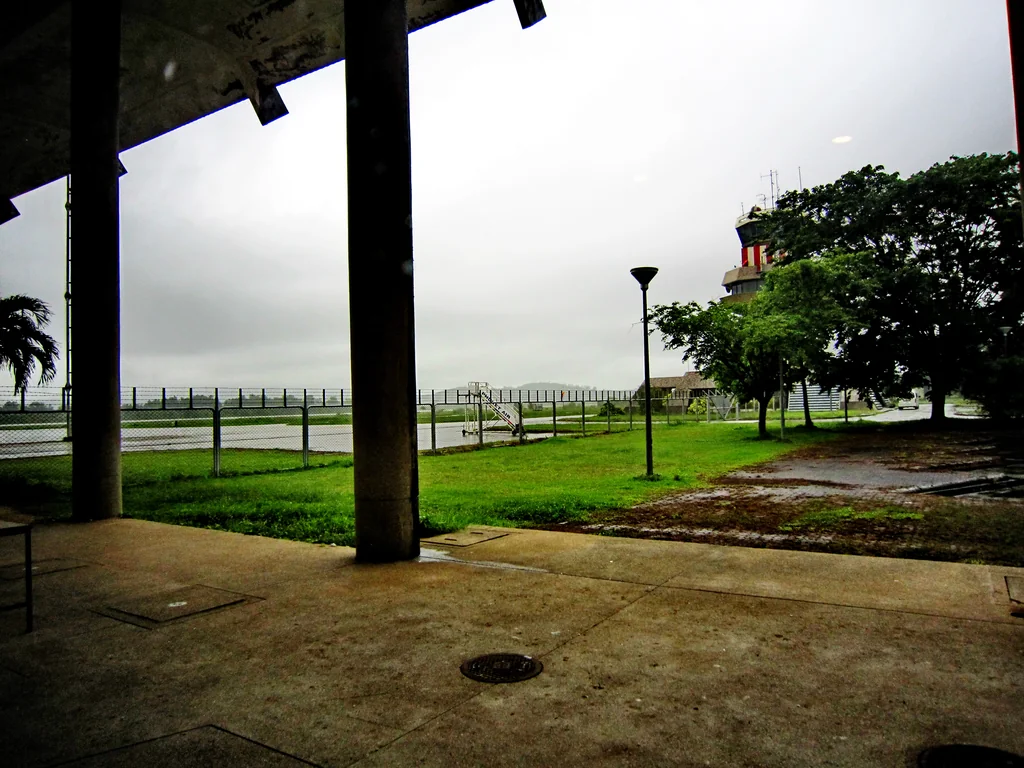
Ranong Airport has an official Department of Airports page, but the practical transfer still needs checking for your travel date. Do not assume a metered taxi, shared van or hotel vehicle will be waiting at the time you land.
Arrange the next leg before departure when possible. Confirm the pickup name, vehicle, price basis and destination. Send the driver your flight number and ask what to do if the flight time changes.
Leave a sensible buffer before any boat or long-distance connection. A short scheduled gap can disappear after a delay, baggage collection or a search for the correct driver. If the onward booking has a firm check-in cutoff, ask the operator whether your planned arrival is realistic.
From a bus or van stop to Ranong town
The ticket should tell you where the vehicle ends its journey, but the wording may be vague. Contact the operator and request the current stop name, address or map pin. Ask whether the vehicle continues into central Ranong or stops outside the area where you plan to stay.
If you arrive late, organise the transfer and check-in before travelling. This is especially useful in rain, when walking with luggage or looking for a vehicle at an unfamiliar stop becomes harder than it appeared on the map.
Keep the hotel name and address in Thai as well as English. A screenshot helps when mobile data is slow or the driver does not recognise the English spelling.
Connecting from town to Koh Phayam
The Tourism Authority of Thailand identifies Pak Nam Municipality Pier as the passenger-boat departure point for Koh Phayam. Treat that as the official reference, then confirm the active boarding point with the boat operator or your island accommodation. Ranong has more than one waterfront and pier reference, so the word "pier" alone is not enough.
Before leaving town, confirm the departure time, check-in time, fare, baggage rules and weather instructions. Boat arrangements can change, and an old timetable is not a safe basis for a flight or bus connection.
The Koh Phayam transit guide explains the pier questions, island arrival and overnight planning in more detail.
Getting around Ranong after arrival
Ranong town is manageable when you group stops by area. Walk short central routes when the weather suits, and arrange a driver for places that sit beyond a comfortable walk. Ask for the total price and waiting arrangement before starting a longer outing.
A rental car or motorbike can add flexibility, but check the licence, insurance, deposit, helmet or safety equipment, and return conditions. Rain changes visibility and road grip quickly. Skip a vehicle that looks poorly maintained, even if the price is tempting.
For a short visit, one driver booking may be simpler than renting. The 48-hour Ranong itinerary keeps the town, hot springs and one nature outing in a flexible order rather than forcing several distant stops into one day.
Decide whether a same-day connection is worth it
A same-day airport-to-island or bus-to-boat plan can work only when the providers confirm that the timing is realistic. Check these points first:
- Your arrival time and the risk of delay
- The transfer from the arrival point to the confirmed pier
- The boat’s check-in cutoff and departure time
- What happens if the connection is missed
- The day’s weather and operator advice
If any answer is uncertain, stay in Ranong town and travel onward the next day. The overnight does not waste the trip. It removes a fragile connection and gives you time to eat, rest and check the latest boat information.
Use a town base to keep the first and last legs simple
Blu Monkey Hub & Hotel Ranong is at 298 Ruangrat, Tambon Khao Niwet, Ranong 85000. Its official facilities page says the Monkey Desk is open 24 hours and can assist with local tips, transport and tours. Assistance does not guarantee a particular vehicle or fare, so confirm the current arrangement directly.
Use the hotel’s official contact and location page to save the address and ask about your specific arrival. Include the date, expected time, number of travellers and luggage.
A good Ranong transport plan is not a chain of optimistic estimates. It is a short list of confirmed places, realistic buffers and one backup for the connection most likely to change.